



Few regulatory issues have the potential to reshape pharmaceutical manufacturing as profoundly as PFAS. Often referred to as “forever chemicals”, per- and polyfluoroalkyl substances have become one of the most significant environmental and regulatory challenges facing industry today.
PFAS are deeply embedded across modern industrial supply chains, including many areas of pharmaceutical production. Their exceptional resistance to heat, chemicals, and degradation has made them invaluable in applications ranging from manufacturing equipment and process-contact materials to medical devices and inhalation therapies. Yet those same characteristics have placed them firmly in regulators’ sights.
As authorities around the world accelerate efforts to restrict PFAS use, pharmaceutical companies are entering a critical period of transition. The question is no longer whether PFAS regulation will affect the sector, but how prepared organisations are for what comes next.
A recently published industry whitepaper, PFAS: The Science, Regulation, and Road to Substitution, developed for Chemspec Europe 2026 by Global Product Compliance and S&P Global, provides a detailed assessment of the scientific, regulatory, and commercial landscape. It argues that organisations that begin planning now will be significantly better positioned than those waiting for regulatory deadlines to force action.
From Environmental Concern to Strategic Business Issue
PFAS encompass a vast family of synthetic fluorinated compounds, with more than 10,000 substances now estimated to fall within the category. For decades they have been used because of properties that are difficult to replicate elsewhere: chemical inertness, thermal stability, low surface tension, and resistance to water and oils.
For pharmaceutical manufacturers, these characteristics have delivered considerable operational advantages.
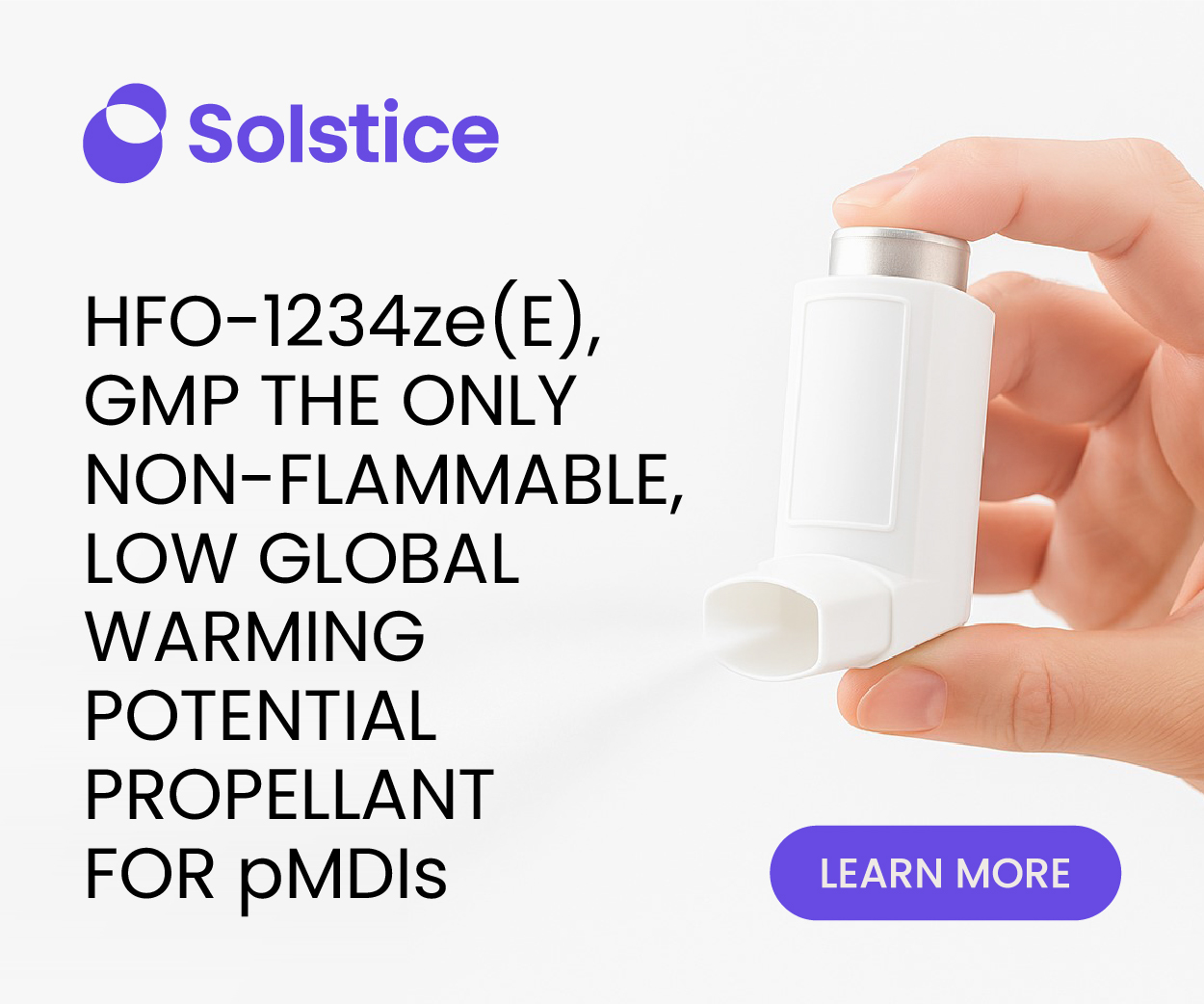
Fluoropolymer materials such as PTFE are widely used in tubing, seals, gaskets, vessel linings, filter systems, and other processcontact components because they can withstand aggressive solvents and demanding production environments. PFAS-derived materials are also present in a range of medical technologies, while fluorinated propellants remain critical for many metered-dose inhalers. This can create compliance challenges even when PFAS are not intentionally present in the finished medicine.
Regulators are increasingly focusing on persistence as much as toxicity. Unlike many chemicals, PFAS do not readily degrade in the environment and can remain present for decades or even centuries. Growing scientific evidence linking certain PFAS compounds to adverse health outcomes has intensified calls for broad restrictions rather than substanceby-substance regulation. This has transformed PFAS from a compliance challenge into a strategic business issue.
A Fast Moving Regulatory Landscape
The pharmaceutical sector has become accustomed to navigating complex regulatory frameworks. However, PFAS regulation presents an unusually dynamic challenge because developments are occurring simultaneously across multiple jurisdictions.