




Delays in turning approved medicines into revenue, driven by pricing and reimbursement (P&R) processes, have emerged as one of the most critical challenges facing the pharmaceutical industry over the next year. Industry professionals now rank pricing pressure alongside innovation-led trends, underscoring growing concerns that tougher price controls and policy shifts could erode revenues, slow launches, and weaken future drug development, according to GlobalData, a leading intelligence and productivity platform.
In the GlobalData’s survey, fielded from 28 September to 08 November 2025 and featured in State of the Biopharmaceutical Industry report, the delay in revenue due to P&R process was rated by respondents as having impact of 3.7 on a scale from 1 to 5 (with 5 being the highest), just 0.1-0.2 below the four leading trends: artificial intelligence (AI), immuno-oncology drug development, complexity and increasing cost of clinical trials, and personalized/precision medicine).
In a separate question assessing anticipated regulatory and macroeconomic impacts over the next 12 months (on a scale of -5 to 5), pharmaceutical P&R constraints ranked as the third most negative factor, cited by 22% of respondents—behind actions of the Trump administration and trade wars and tariffs (both 36%).
On this question, P&R constraints came third in terms of expected negative impact behind 1) Actions of the Trump administration and 2) Trade Wars and tariffs, both of which received 36%.
Milena Izmirlieva, Senior Director and Head of Health Economics and Market Access Research and Analysis at GlobalData, comments: “These top three regulatory and macroeconomic price trends, when are expected to have a negative impact on the industry, all affect pharmaceutical prices. Behind P&R constraints in the ranking for negative impact, four of the five trends identified by the respondents are also related to dug pricing: Inflation; the Inflation Reduction Act (IRA) in the US; the Most Favored Nation (MFN) policy in the US; and International Referencing Pricing (IRP).”
Since the beginning of the second Trump administration pricing pressure has reached new heights in the US – with implications for global pricing. The MFN policy amounts to use of IRP in the US. IRP is one of the most popular price control policies around the world, currently used by more than 75 countries.
Izmirlieva adds: “IRP is commonly used by countries that are new to pharmaceutical price control – which the US is. However, if used by a high-income country to reference the lowest price from countries with lower GDP/capita than its own, IRP can produce a very negative impact on access to medicines – due to delayed or cancelled product launches. It also impacts affordability, as some of the reference countries end up paying more for medicines that they would have, if market competition rules applied. Furthermore, IRP also discourages price transparency. The negative impact of the US MFN plans, if implemented as currently envisaged, will have negative repercussions around the world and would not necessarily result in savings for US patients.”
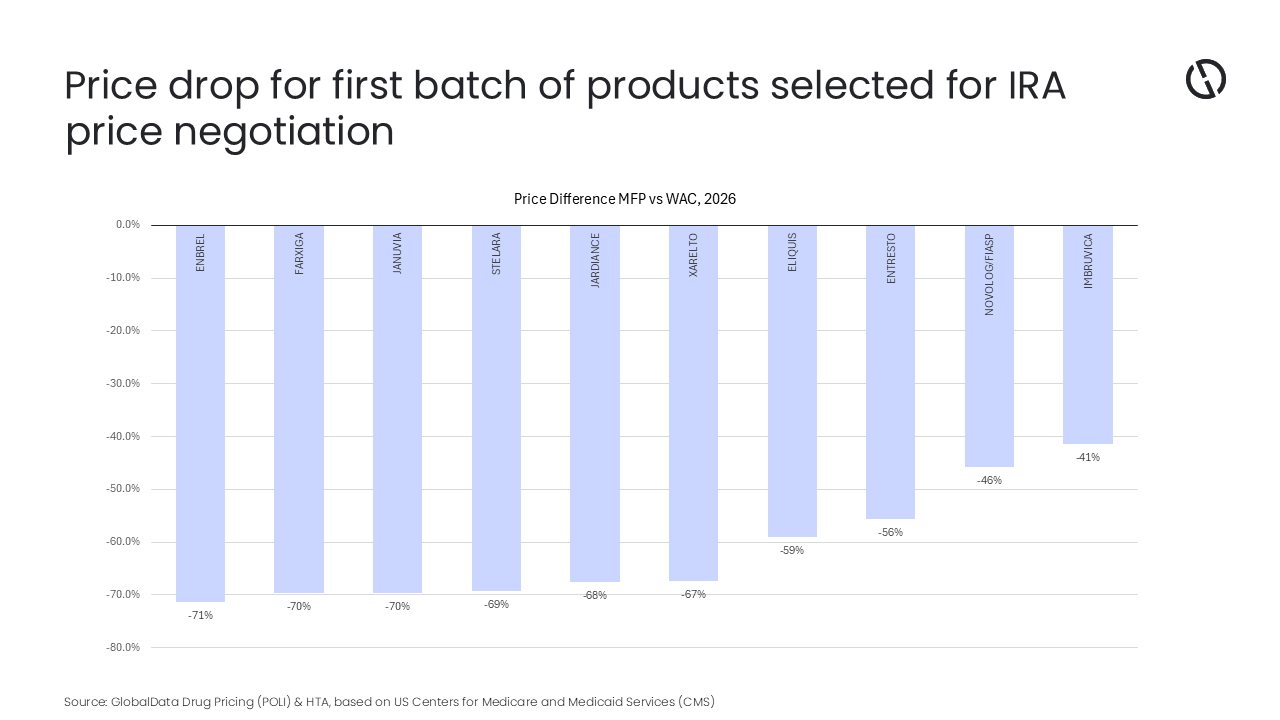
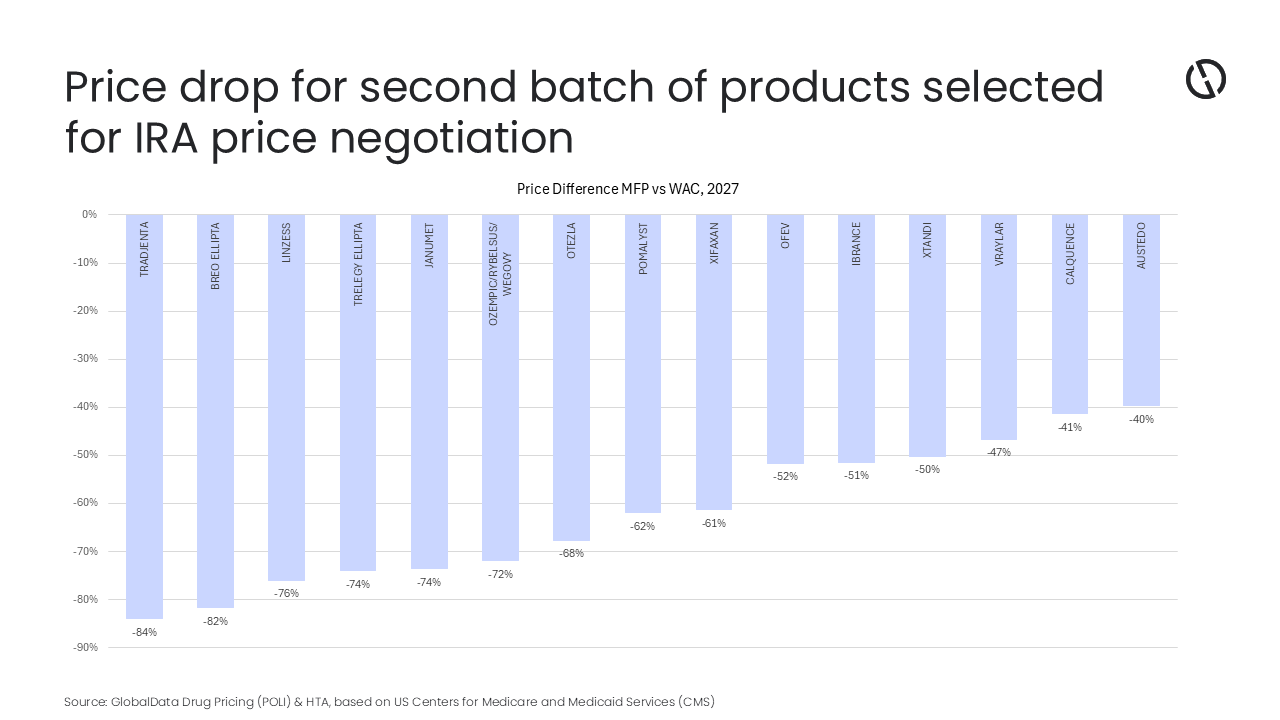
On the other hand, the start of price negotiation with the US federal government under the IRA can produce a more immediate price impact than IRP in the US. IRA price negotiation was ranked by respondents in fifth place in terms of negative impact on the industry.
Izmirlieva concludes: “While IRA price negotiation applies to only a handful of medicines so far, that number is increasing every year. Additionally, the price negotiated for Medicare under the IRA – known as the Maximum Fair Price (MFP) – is transparent and can be referenced by other countries around the world under IRP.
“This will result in a double jeopardy situation for pharma: if other countries reference lower US MFP prices under IRP, and the US subsequently references those same countries under MFN/IRP frameworks, it could trigger a global race to the bottom on drug prices. While current patients may benefit from lower prices, pharmaceutical revenues, the industry’s capacity to invest in drug development would be significantly undermined, ultimately reducing the number of new treatments reaching the market.”ENDS
For more information
To gain access to our latest press releases: GlobalData Media Centre
Analysts available for comment. Please contact the GlobalData Press Office:
Email: pr@globaldata.com
Asia-Pacific: +91 40 6616 6809
For expert analysis on developments in your industry, please connect with us on: