

In Short:
• The market for RSV therapies could grow to $7.2 billion by 2030.
• There were 218 drugs in development for the treatment of RSV in November 2025. • Most therapies are at the pre-clinical stage, 17 in Phase I-III and 3 with IND/ CTA filed.
• Vaccines, proteins and antibodies are the leading molecule types.
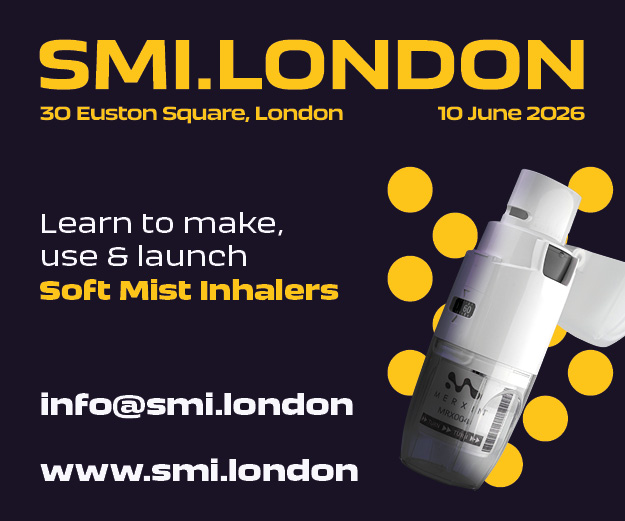
• Inhaled RSV therapies are emerging as attractive options, with soft mist inhalers such as MRX004 poised for a meaningful share of the market.
Respiratory Syncytial Virus (RSV) is a common viral infection typically causing coldlike symptoms. By the age of two, almost all children are believed to have contracted RSV, with the virus affecting around 64 million individuals globally every year. Symptoms are mild in most cases but can become severe for babies, infants and certain adults at high risk, including older adults or those with chronic lung or heart disease. In such cases, the virus can worsen asthma or chronic obstructive pulmonary disease (COPD) symptoms and lead to further life-threatening infections such as pneumonia and bronchiolitis.
According to the World Health Organization, RSV causes more than 3.6 million hospitalisations and approximately 100,000 deaths in children aged under five each year. Hospitalisation rates are highest in infants under six months or those who are born preterm or with a low birth weight. According to a report by the UK Government, RSV infections are responsible for up to 80% of lower respiratory tract infections in young children and are one of the leading causes of hospitalisation in the first year of life. Meanwhile, yearly estimates for the US alone stand at 110,000 to 180,000 hospitalisations for individuals aged 50 or above.
Marketed Drug Landscape Unmet therapeutic needs for RSV infections are significant. While the pathogen was first identified in 1956, vaccine developments has faced significant setbacks, with early candidates worsening illness severity and leading to two infants’ deaths. Following these outcomes, research was halted for many years.
Between 1998 and 2023, just one monoclonal antibody was used to prevent infections via passive immunisation. SYNAGIS ® (palivizumab) was reserved for at-risk pre-term infants, requiring five intramuscular injections over the course of a single RSV season due to its short half-life. This dosing schedule created a logistical burden for parents, while the uncomfortable delivery format could cause potential distress for babies and parents. SYNAGIS® was discontinued and unavailable from 31 Dec 2025.